
Anyone who has ever built or renovated in Boston learns this quickly: the city does not operate by conventional construction rules. The architecture doesn’t, the zoning doesn’t, the neighborhoods don’t, and the weather certainly doesn’t. Boston has its own pace, its own architectural temperament, and its own set of non-negotiables that shape the way homes must be designed and built. Firms like Sleeping Dog Properties have navigated these complexities for decades, and the more closely you study Boston’s distinctive environment, the clearer it becomes that specialized expertise is not optional – it is essential.
In Boston, you can walk down the street and see both old and new things. A narrow brownstone from the 1800s might be next to a sleek new building, and the path between them would be just wide enough for the tools needed to fix either one. This mix of styles is part of what makes the city charming, but it’s also why a normal contractor’s plan doesn’t always work in Boston. When you build here, you need to know more about the area’s history, how the neighborhood works, and how the new systems you add will need to work in the house’s current conditions.
Historic Architecture Comes With a Playbook of Its Own
You know that Boston homes made before the 1920s are beautiful and complicated if you have ever been inside one. These buildings were built a long time ago, before there were standard engineering practices or current mechanical systems. Finding something new during a makeover is always important and can be interesting, hard, or both.
In these homes, original craftsmanship often hides an entirely different structural logic behind plaster and brick. The success of any renovation depends on being able to read that logic accurately and respectfully. It requires a contractor who understands how to merge historical authenticity with contemporary performance, without compromising either.
That balance demands careful judgment, not guesswork. And it’s one of the reasons Boston construction cannot be approached with generic assumptions.
Tight Neighborhoods Require Strategy, Not Improvisation
Many cities offer construction teams room to maneuver; Boston offers the opposite. Beacon Hill, Back Bay, South End, and Charlestown have streets designed for a different era – beautiful to live in, challenging to work in. Staging materials, scheduling equipment, coordinating deliveries, and protecting neighboring structures require granular planning long before a project begins.
This is where specialized expertise becomes more than convenience. It becomes risk management.
- Tight site access limits equipment and staging
- Work hours and noise regulations differ widely by district
- Deliveries must be timed with precision due to narrow streets
- Adjacent homes often need protection during construction
These limits aren’t problems; they’re just the way things are. Builders who are familiar with Boston can easily get through them because they plan with the flow of the neighborhood in mind, not just the needs of the project.
Zoning in Boston Is Less Policy and More Puzzle
The zoning system in Boston is complicated, very local, and often not straightforward. What can be built is decided by things like setback rules, FAR calculations, historic overlays, and neighborhood review boards, all of which happen before the planning phase even starts. People who own their own homes quickly learn that picking the right builder isn’t just a technical choice; it’s also a strategic one.
Experience dictates which paths are feasible, which variances are worth pursuing, how long approvals may take, and when to adjust the design early to avoid unnecessary delays. A contractor who understands Boston zoning can preserve months of progress through proactive guidance. A contractor who doesn’t can stall a project before it even starts.
Structural Surprises Are the Rule, Not the Exception
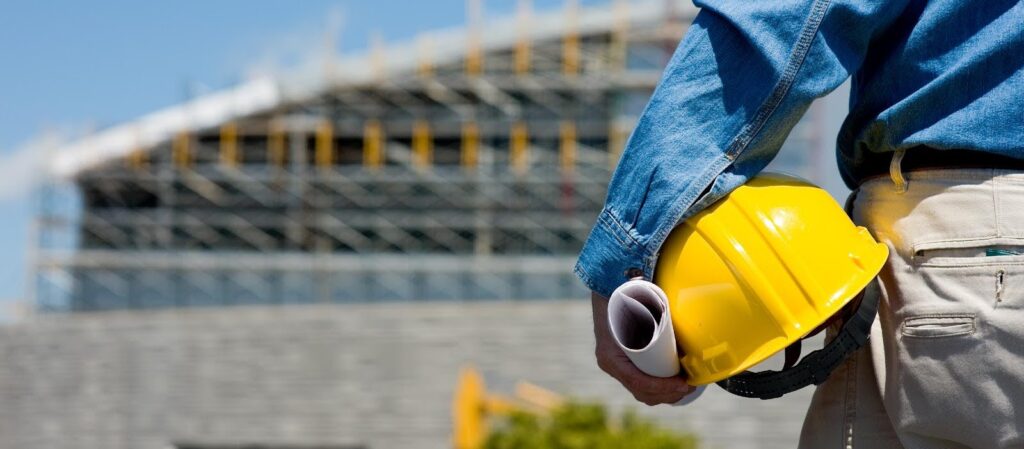
When you’re fixing up older homes in Boston, you have to face one fact: something unexpected will show up. A secret beam, strange framing, old wiring, improvised mid-century fixes, or just a structure that wasn’t built according to modern building codes. These shocks don’t happen very often or scare people; they’re normal.
The difference lies in how they are handled. Specialized Boston builders treat surprises as solvable puzzles, not crises. They understand how older systems were assembled, how to shore them correctly, and how to incorporate modern requirements without compromising the strength of the existing structure.
Why Specialized Expertise Matters for Every Boston Homeowner
Choosing a construction partner in Boston is not a question of who can build the most quickly or at the lowest cost. It is a question of who understands the city deeply enough to build with accuracy, respect, and foresight.
The right expertise ensures:
- Historical homes remain structurally sound
- Modern systems perform reliably
- Neighborhood constraints are managed smoothly
- Design ambitions align with zoning realities
- Complex details are executed with precision
Boston is a place that appreciates smarts, skill, and patience. These homes aren’t just built; they’re understood, changed, and raised. When the process is led by the right people with the right skills, the end result respects both the architecture of the past and the modern life it serves.