Every homeowner faces a moment where the house they live in no longer aligns with the way they live. Spaces feel cramped, rooms no longer reflect current routines, and certain parts of the home begin to reveal the limits of their original design. It’s at this crossroads that a familiar debate begins to surface: Should we renovate what we have, or is it time to start anew?
Firms like Sleeping Dog Properties understand that this question is far from simple. It isn’t just a financial discussion – it’s an architectural, emotional, and strategic one. The right choice depends on far more than the condition of your current home. It depends on how you want to experience the next chapter of your life inside it.
People often think that renovation and new construction are similar ways to get the same result, which makes the choice more difficult. They’re not. There are rules about structure, permits, design, budgets, and time frames that apply to each path that make the experience unique. Renovation is talking to what’s already there. The word “new construction” means “I want to make this happen.” Amazing things can happen with either one, but only if you choose them carefully.
Renovation: Working With the Home You Already Know
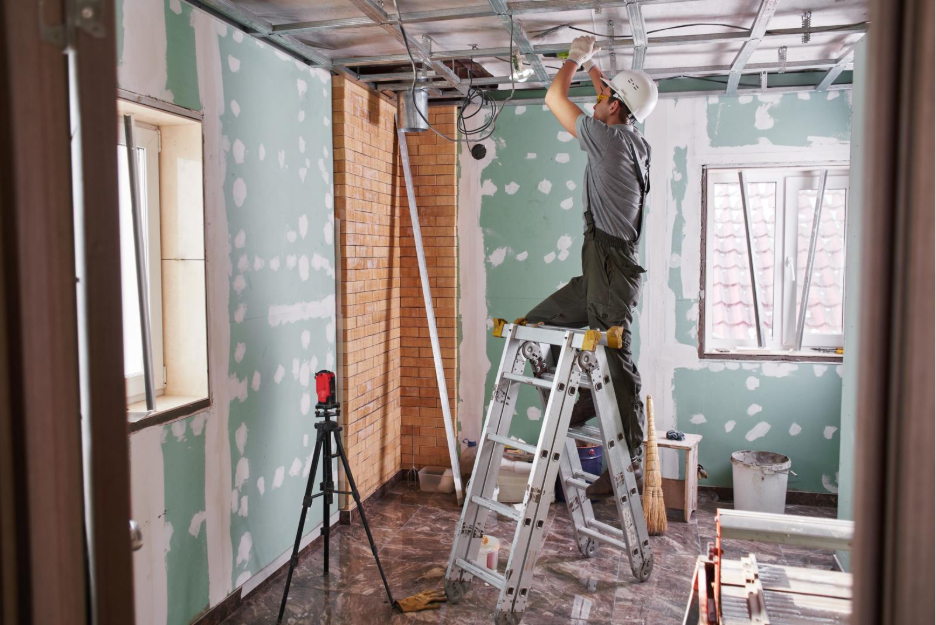
Renovation is essentially the art of transformation within the boundaries of an existing structure. It appeals to homeowners who love their neighborhood, appreciate the character of their home, or want to maintain the emotional continuity that comes from staying rooted.
Working within a system that already exists has real benefits:
- Preservation of context – Many homes carry architectural charm, community history, or sentimental value. Renovation maintains what people often treasure most.
- Potential for targeted improvements – Homeowners can focus on the areas that matter most – kitchens, bathrooms, expansions, or reconfigured floor plans – without disrupting what already works.
- Less site disruption – Renovations typically avoid the complexities of full demolition, which is especially valuable in dense or historic areas.
But renovation demands a realistic understanding of constraints. Existing structures come with structural surprises, outdated mechanical systems, and design limitations that may restrict how far the transformation can go. Renovation rewards flexibility; the house has a say in the conversation.
New Construction: Starting With a Blank Architectural Canvas
Building something new is the most architecturally free thing you can do. When you start from scratch, you have full control over the space’s layout, structure, natural light, flow, materials, performance, and how they work with technology.
This route appeals to homeowners who want precision. They want the design to reflect exactly how they live, not how the previous owners lived twenty years ago.
The advantages are extensive:
- Complete design freedom – No existing walls, mechanical systems, or layouts dictate your choices.
- Better long-term efficiency – New construction allows for state-of-the-art building systems, materials, sustainability features, and future-proofing from the foundation upward.
- Clean sequencing and predictability – Without the unknowns of old structures, timelines and budgets often follow a smoother trajectory.
But with new construction come new responsibilities, such as complicated building permits, zoning rules, site preparation, and the fact that the process takes longer and includes more steps than most remodeling jobs. A blank canvas is strong, but you have to work at it.
Questions That Help Homeowners Find the Right Path

It’s easier to decide between renovation and new building when you look at the same things that architects and builders do at the start.
- How structurally adaptable is your current home?
If the existing layout cannot support your vision – due to load-bearing walls, foundation limits, ceiling heights, or structural layout, renovation may become inefficient or restrictive.
- Does the home’s layout support the way you live today?
If the layout requires extensive reconfiguration, the cost-to-benefit ratio may lean toward new construction.
- What is the long-term plan for the property?
If this is a decades-old home, new construction may offer durability and functionality that renovation cannot match.
- What is the emotional connection to the home?
It’s easier to decide between renovation and a new building when you look at the same things that architects and builders do at the start.
Choosing the Path That Supports Your Next Chapter
You shouldn’t base your choice on a trend or an opinion; you should base it on what is clear. It is best to renovate a house that still has a lot of life left in it. It’s best to build something new when you want to be in charge of everything that happens next. When expertise, careful planning, and disciplined execution are used, both roads can lead to great results.
Whether you reshape an existing structure or create something entirely new, the outcome should reflect your life with intention.
A home – renovated or newly built – is successful when it strengthens the way you live every day.